The Opera Game: 7 Chess Lessons from Morphy's 17-Move Masterpiece
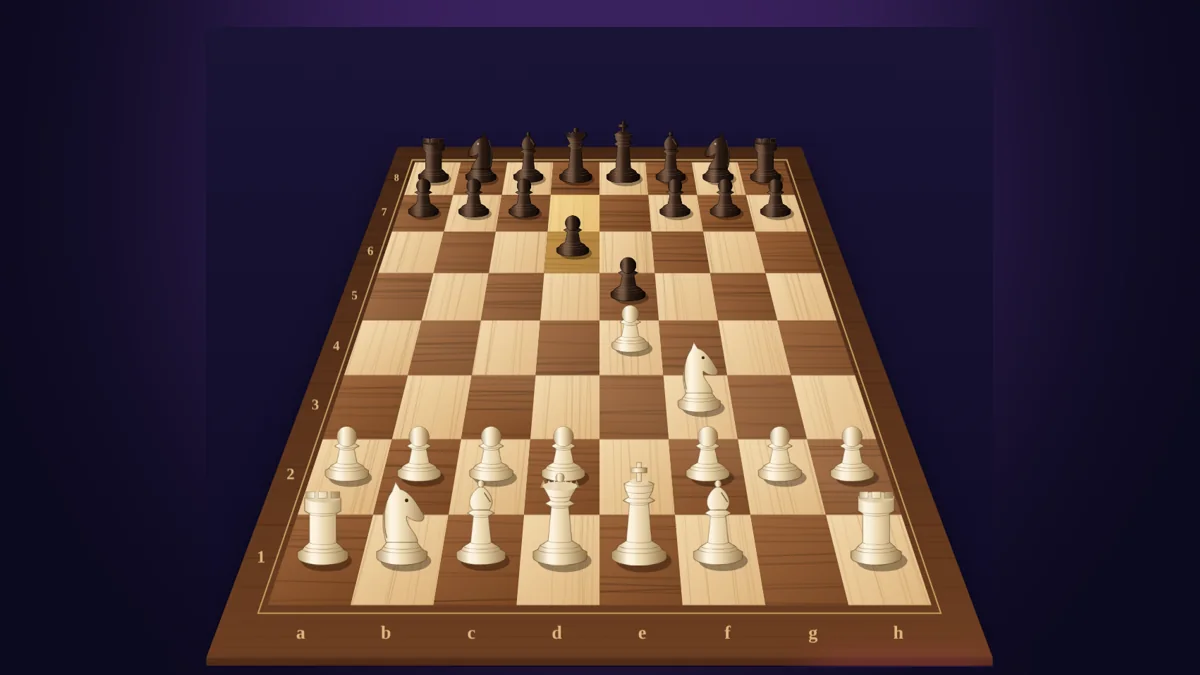
In the autumn of 1858, in a private box at the Salle Ventadour opera house in Paris, the young American Paul Morphy sat with his back to the stage and played a casual game against two aristocrats: Karl II, Duke of Brunswick, and Count Isouard de Vauvenargues, who chose Black's moves together. Seventeen moves later the game was over, and it has been shown to chess students ever since. It is known simply as the Opera Game.
The game is not famous because the opponents were weak. It is famous because it is the clearest demonstration ever recorded of the basic principles of good opening play. Every move Morphy makes has a purpose, and every small mistake by Black is punished at once. If you are learning chess, this is the best 17 moves you can study.
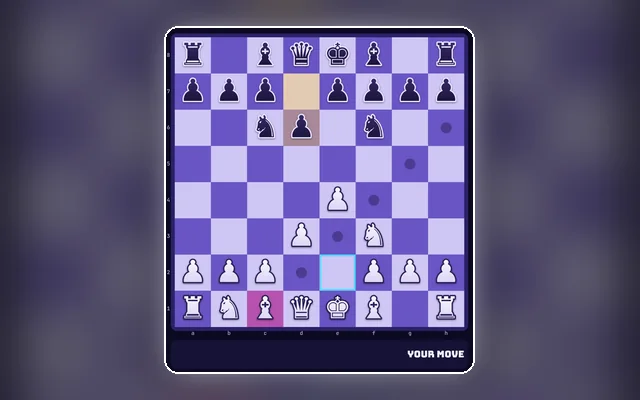
You can watch the whole game replayed on a wooden board on our home page whenever chess is the game of the hour, and you can try these ideas yourself in our free online chess game.
The complete game
Morphy had the white pieces. Black answered 1.e4 with the solid but passive Philidor Defence.
| Move | White · Morphy | Black · the Duke and the Count |
|---|---|---|
| 1 | e4 | e5 |
| 2 | Nf3 | d6 |
| 3 | d4 | Bg4 |
| 4 | dxe5 | Bxf3 |
| 5 | Qxf3 | dxe5 |
| 6 | Bc4 | Nf6 |
| 7 | Qb3 | Qe7 |
| 8 | Nc3 | c6 |
| 9 | Bg5 | b5 |
| 10 | Nxb5 | cxb5 |
| 11 | Bxb5+ | Nbd7 |
| 12 | O-O-O | Rd8 |
| 13 | Rxd7 | Rxd7 |
| 14 | Rd1 | Qe6 |
| 15 | Bxd7+ | Nxd7 |
| 16 | Qb8+ | Nxb8 |
| 17 | Rd8# | — |
Lesson 1: Fight for the centre from the first move
1.e4 e5 2.Nf3 d6 3.d4
Morphy's first three moves all aim at the four central squares. The pawn on e4 claims space, the knight on f3 attacks e5, and 3.d4 challenges Black's centre directly. Black's 2...d6 defends the pawn but shuts in the bishop on f8, which will cost Black dearly later. Rule of thumb: in the opening, every move should either control the centre or bring a new piece into play, and the best moves do both.
Lesson 2: Development beats material in the opening
3...Bg4 4.dxe5 Bxf3 5.Qxf3 dxe5
Black pins the knight, but after 4.dxe5 the bishop has to capture on f3, because 4...dxe5 would allow 5.Qxd8+ Kxd8 6.Nxe5, winning a pawn and leaving the black king stranded in the centre. Material is level after 5...dxe5, yet the position has changed a lot: Black has spent two moves with a bishop that is now gone, while White's queen arrived on f3 without losing time. Count the tempi, not just the pieces. Morphy is already clearly ahead in development.
Lesson 3: Make threats that also develop your pieces
6.Bc4 Nf6 7.Qb3
6.Bc4 develops a piece and threatens Qxf7# at the same time. Black must respond, and 6...Nf6 blocks the queen. Then 7.Qb3 creates two new threats: Bxf7+, attacking the weak f7 square, and Qxb7, winning a pawn and attacking the rook. Each white move forces Black to react, so Black never gets time to complete development. Black's 7...Qe7 defends f7 but blocks the bishop on f8 even further.
Lesson 4: Don't grab pawns when development comes first
8.Nc3
Morphy could have taken the pawn with 8.Qxb7, but after 8...Qb4+ Black could force queens off the board and escape into a calm position. Instead Morphy simply brings out another piece. This is one of the most important lessons in the game: a small material gain is worth less than a lasting lead in development, especially while the opponent's king is still in the centre.
Lesson 5: Open lines toward an uncastled king
8...c6 9.Bg5 b5? 10.Nxb5! cxb5 11.Bxb5+ Nbd7
9.Bg5 pins the knight on f6 to the queen. Black's 9...b5 tries to chase the bishop and gain space, but it weakens the queenside. Morphy answers with a sacrifice: 10.Nxb5! gives up a knight for two pawns to rip open the lines around Black's king. After 11.Bxb5+ the black king is in check and still in the middle of the board, and the knight on d7 has to block.
Lesson 6: Pins paralyse defenders
12.O-O-O Rd8 13.Rxd7! Rxd7 14.Rd1 Qe6
Look at Black's position after 12.O-O-O. The knight on d7 cannot move because it is pinned to the king by the bishop on b5. The knight on f6 is pinned to the queen by the bishop on g5. Castling queenside moved White's king to safety and placed a rook on the open d-file in a single move. Morphy then sacrifices the exchange with 13.Rxd7! and brings his last piece into the attack with 14.Rd1. Every white piece is now working, while Black's rook on h8 and bishop on f8 have not moved at all.
Lesson 7: Finish with forcing moves and use every piece
15.Bxd7+ Nxd7 16.Qb8+!! Nxb8 17.Rd8#
The finish is pure geometry. 15.Bxd7+ removes a defender with check. Then comes the famous queen sacrifice 16.Qb8+!!: the black knight is forced to capture, which pulls it away from the d8 square. 17.Rd8# is checkmate. The rook gives check, the bishop on g5 protects it, and Black's own queen and bishop block the king's escape squares. This pattern of a rook supported by a bishop is still called the opera mate.
What Black did wrong
- Black moved the queen's bishop twice and then traded it for a knight, losing time.
7...Qe7blocked the bishop on f8, so the kingside pieces never developed.9...b5weakened the queenside and invited a sacrifice.- Black never castled. By the end, the king was still on e8 and the rook on h8 had never moved.
Seven principles to take into your next game
- Control the centre with pawns and pieces.
- Develop a new piece with almost every move in the opening.
- Look for moves that develop and create a threat at the same time.
- Prefer a lead in development over grabbing a pawn.
- Castle early, and keep your opponent's king in the centre if you can.
- Use pins to freeze defending pieces.
- When you are ahead in development, open the position with forcing moves: checks, captures and threats.
Try it yourself
The best way to remember these ideas is to use them. Play a few games against the computer in our free chess game: start with the easy level, count how many pieces you develop in the first ten moves, and try to castle before move ten. When it feels natural, move up to the medium and hard levels. And whenever chess appears as the game of the hour on our home page, watch the Opera Game replay with this article in mind.